How to Verify You're Buying an Authentic Handcrafted Marble Murti
Purchasing a marble idol is not like purchasing a piece of furniture. It is not merely a selection of size and shape it is something that will be placed in a home for years. Therefore, people approach this decision cautiously. If you have been looking at Marble Murti in Udaipur lately you know that the price range is very broad, which is not always due to the craftsmanship behind the given piece. Sometimes it is purely a marketing thing. Understanding how to distinguish between those two aspects can save you from paying artisan prices for something which hasn’t met the chisel at any point.
What Makes a Marble Murti in Udaipur Genuinely Authentic
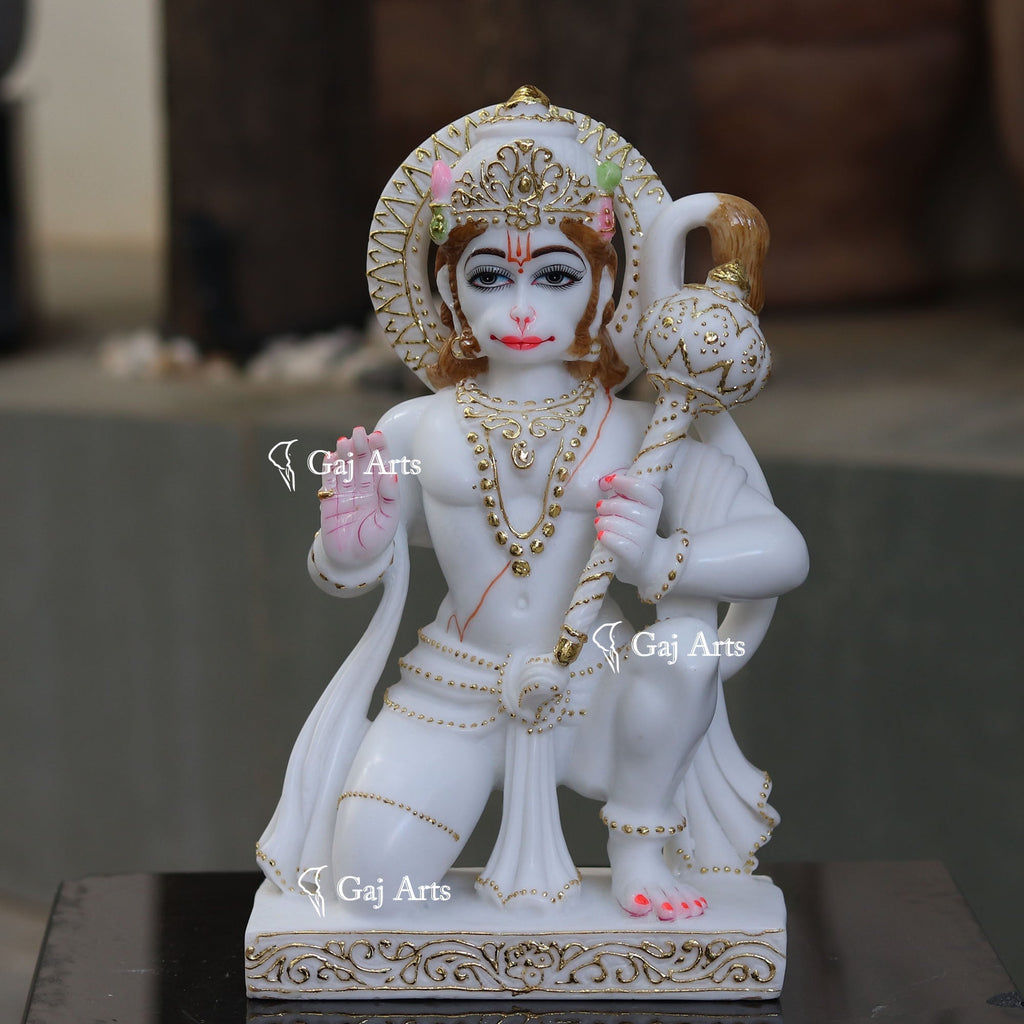
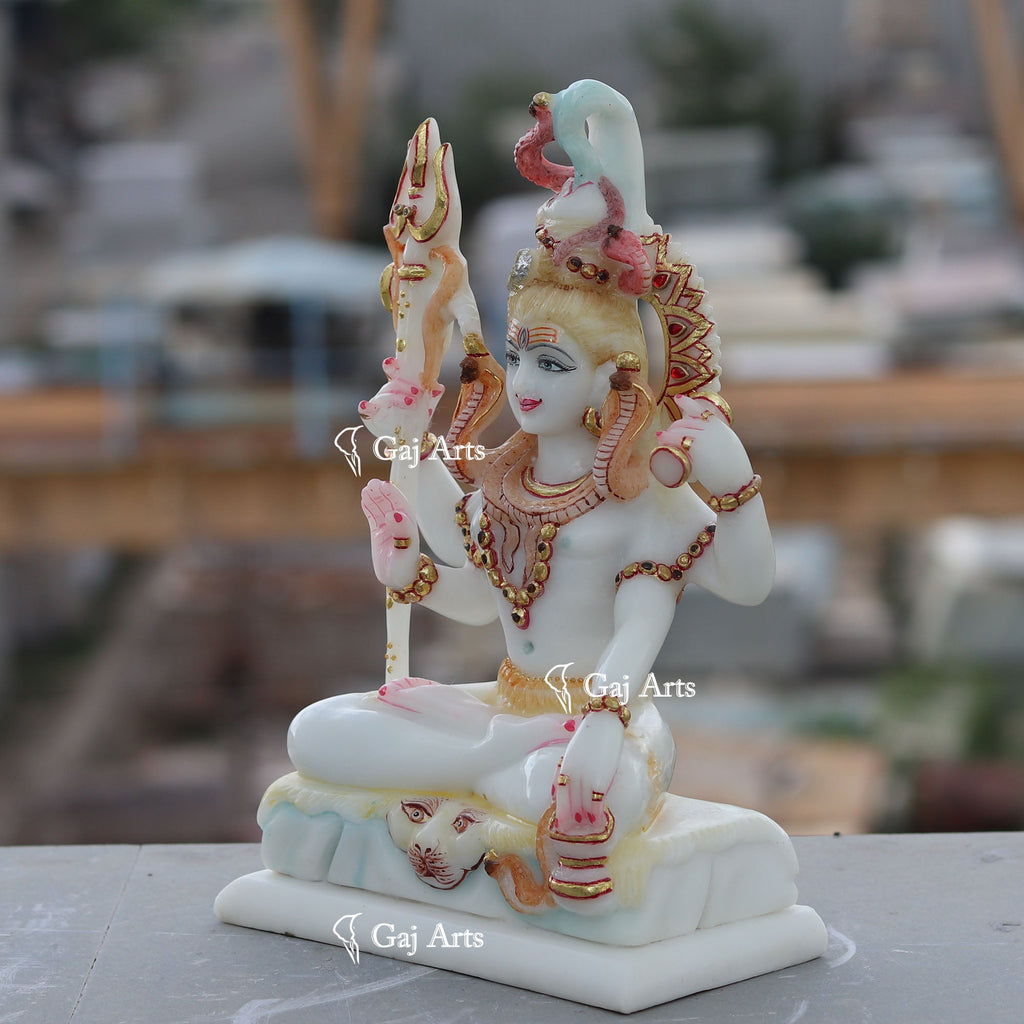
There's no single test, but it usually comes down to the stone, the carver, and the time put in. A real hand-carved piece has small imperfections if you look closely enough — an uneven fold, maybe a faint chisel mark that never got sanded all the way out. That's not sloppy work. It's actually proof someone spent real hours on that block of stone. Machine-cast pieces, on the other hand, look almost too clean. Once you've stood in front of a genuine one, that "too clean" look on a cast copy becomes obvious fast.
Check the Stone Before You Check the Price
Most buyers ask about price first, which I get, but I'd start with the stone. Makrana marble, the kind used in the Taj Mahal, has this fine, almost translucent quality when light hits it. Cheaper substitutes tend to look chalky, sometimes plasticky. Touch it if the shop lets you. Real marble feels cool and a little grainy. Composite stuff feels off somehow, too smooth, almost waxy. And if a seller genuinely can't tell you where their stone came from, that alone tells you something.
Signs of Genuine Hand Carving You Can Actually See
Turn the piece around. Check the back and underside, the parts that never end up in a showroom photo. Hand-carved murtis usually have rougher tool marks tucked away there, since the real attention goes into the face and front. The eyes and fingers are worth a close look too. They're the hardest parts to get right, and skilled hands leave small asymmetries there that a mold just can't reproduce. If the whole thing looks identical from every angle, it probably didn't come from a chisel.
Why Buying a Marble Murti in Udaipur Means Buying With Confidence
Udaipur has one real advantage most places don't: you can actually get to the karigars themselves, people trained under generations of family carvers. Buy locally, ask around a bit, and you can often meet the artisan directly or see photos from partway through the work. That kind of access is hard to fake convincingly. If a seller keeps sidestepping those questions, or can't tell you how long a piece took, that's usually worth noticing.
Ask These Questions Before You Pay
A handful of direct questions will tell you more than any certificate. How long did this take? Can I see it from an earlier stage? Where did the stone come from originally? Is there a workshop I could call, or even visit? A real seller doesn't stumble over these. They usually answer quickly, almost eagerly, because they know the work holds up. Vague or overly rehearsed answers, though — that's usually someone reselling factory stock at hand-carved prices.
Why Choose Gaj Arts
Gaj Arts doesn't send the carving out to unnamed workshops, and we don't cut corners with molds. Every piece here has gone through the hands of artisans who grew up doing exactly this, taught by their fathers before them. Want to see something mid-carving? Come by. Want to know where the marble came from? We'll just tell you. No runaround, no polished script — this is simply how the work gets done in our studio.
Bringing Home a Marble Murti in Udaipur You Can Actually Trust
You don't need to turn into a marble expert overnight to get this right. Ask a few honest questions, notice the details most buyers skip past, and you'll usually have a decent sense within minutes whether a Marble Murti in Udaipur is genuinely the real thing. A genuine murti holds up under that kind of attention the stone, the carving, the whole story behind it. And when a seller hesitates the second you start asking, that hesitation is usually the answer you need.
FAQs
1. How do I know if a murti is actually hand-carved and not molded?
Look for small irregularities in the folds, expression, and fingers. If every surface looks perfectly even, it's probably mold.
2. Does the type of marble change how long the piece lasts?
Yes. Denser stone like Makrana marble holds up much better against yellowing and wear than composite alternatives.
3. Is it worth asking to see the artisan's workshop beforehand?
Yes, if you can manage it. It's one of the quickest ways to confirm a piece is genuinely hand-carved.
4. Are hand-carved murtis noticeably pricier than cast ones?
Usually, yes, but you're paying for time and skill, not just the marble.
5. Can Gaj Arts build a murti to a custom size or design?
Yes, we take on custom work fairly often, whether that's size, pose, or particular finishing touches.
Related post
RECENT POSTS
09.September.2026
Best Stone Wall Paintings in Mumbai for Ganesh Chaturthi and Diwali Décor
0 Comments
09.June.2026
How Inlay Art in Udaipur is Being Used in Celebrity Homes and Luxury Hotels?
0 Comments